Table of contents
From Bangkok to Barcelona, street markets are being recast as more than places to buy food and clothes, they are political arenas where cities negotiate inclusion, memory and who gets to belong. The debate has sharpened as inflation has squeezed household budgets, while mayors promise “order” in public space and traders argue that markets keep neighborhoods alive. Behind the stalls, the numbers tell a complex story: jobs created, rents rising, and identities defended one transaction at a time.
Who gets to sell, and who gets pushed out
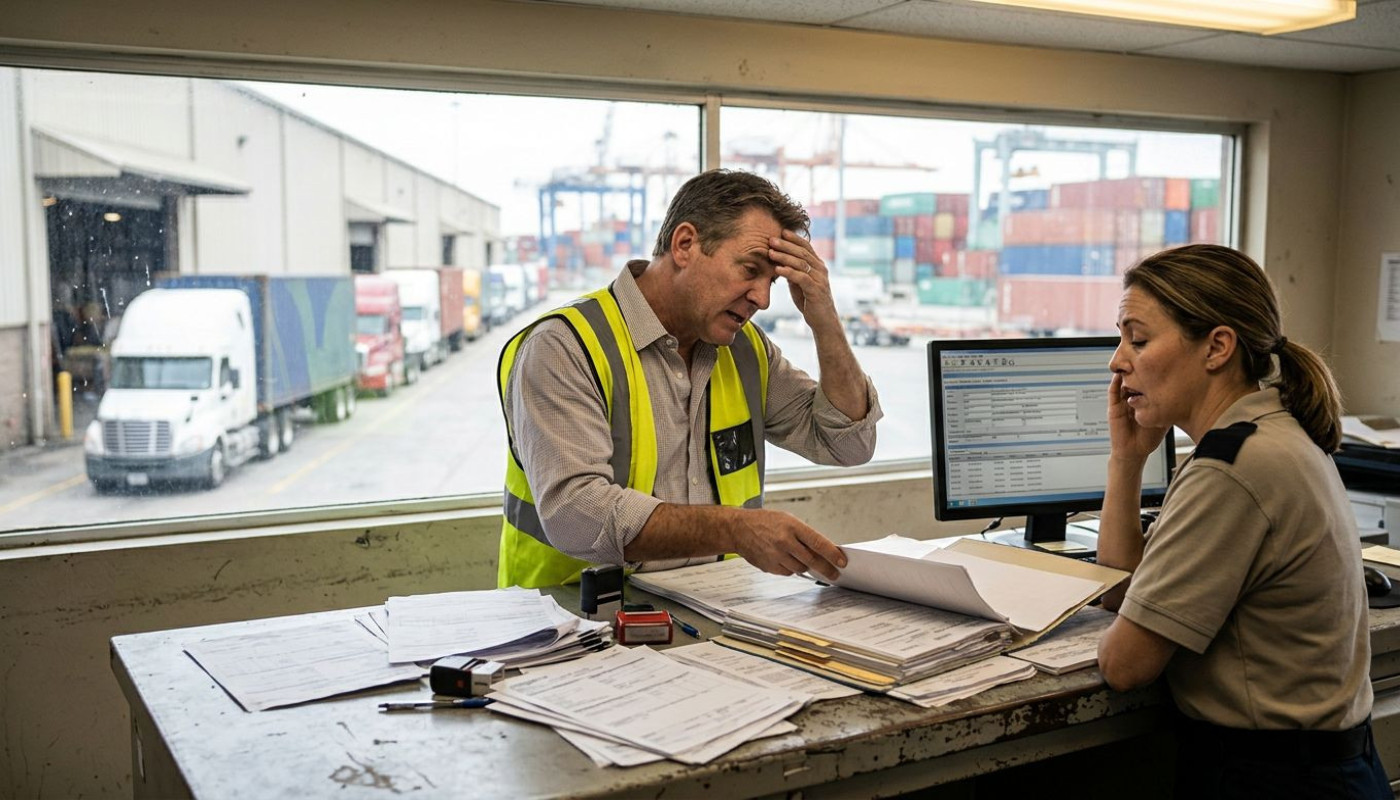
“A permit can change a life.” In many cities, access to a market stall is a direct line into the formal economy, yet it is also where exclusion shows most clearly, because licensing rules, enforcement patterns and the cost of compliance decide whose work is recognized and whose is treated as a nuisance. The International Labour Organization estimates that around 2 billion people work in the informal economy worldwide, a figure that covers everything from casual construction to street vending, and in numerous low and middle income countries informal employment accounts for more than half of all jobs; street markets are among the most visible parts of that reality, and therefore among the most contested.
Authorities often justify crackdowns by citing congestion, counterfeit goods or hygiene risks, yet research repeatedly shows that the economic logic is rarely neutral. When market land becomes valuable, redevelopment pressure rises, and “cleanup” campaigns can become a gateway to displacement. In parts of Latin America and South Asia, vendor associations describe a recurring cycle: the market grows, footfall increases, nearby property values climb, then enforcement intensifies and the very sellers who helped create the buzz are treated as obstacles. Even where vendors are technically legal, new fees and stricter standards can price out smaller traders, especially women and migrants who rely on low start up costs and flexible hours to balance caregiving and paid work.
City halls also face genuine constraints, because public space has competing users and safety is not optional, but the question is whether regulation is designed to manage coexistence or to erase informality. The most durable policies tend to blend clear rules with realistic pathways to compliance, including transparent permits, sanitation infrastructure, storage space, and predictable inspections, rather than sporadic raids that destroy inventory and push families further from stability. When enforcement becomes the main “policy tool”, markets do not disappear, they move, and the costs shift to the most precarious workers, who lose not just income but social ties and customer trust built over years.
Markets as shock absorbers in hard times
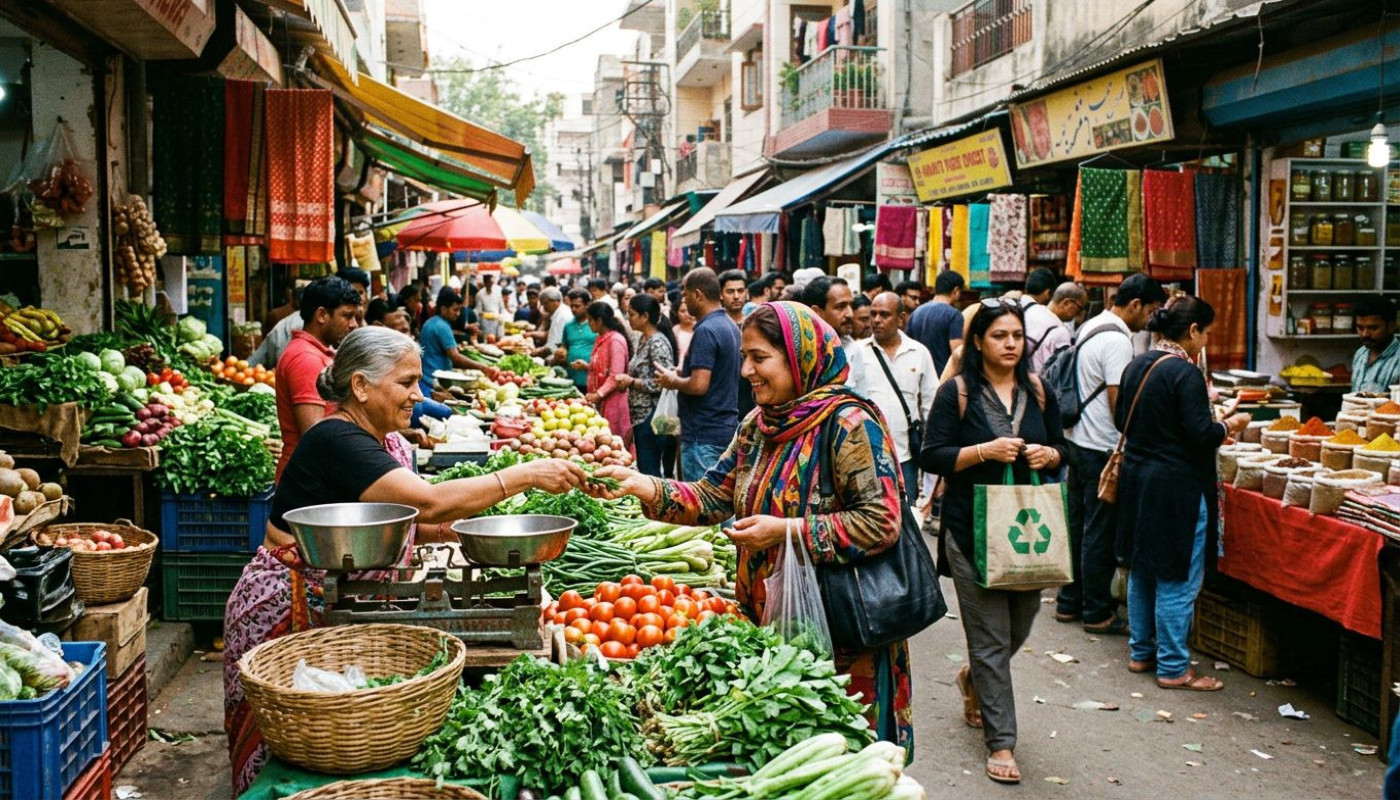
“When prices jump, markets fill up.” The cost of living crisis has not hit everyone equally, and in many cities street markets have acted as a pressure valve for households trying to stretch budgets. In advanced economies, food inflation peaked earlier but remains a political sore point, while in many developing countries currency weakness and supply shocks have kept staples expensive; in that context, open air markets, with their dense competition and ability to sell in small quantities, often become the first place people look for bargains, seasonal produce or second hand goods.
The economic contribution is not limited to cheap goods. Street markets typically support layers of micro activity, from transporters and loaders to small scale manufacturers, repairers and food preparers, and they can function as entry points for newcomers who lack formal credentials but have skills, networks and resilience. Where unemployment is high, the ability to start trading with limited capital can prevent sudden income loss from turning into a longer social crisis. Studies in urban economics have long noted that informal retail can respond quickly to shifts in demand, because vendors adjust product mixes, prices and sourcing routes without the delays that large formal supply chains face.
Yet the same flexibility that helps during downturns can deepen vulnerability. Vendors often absorb shocks without buffers: no paid sick leave, limited insurance and exposure to extreme heat, flooding or air pollution. Climate stress is not a distant issue for street markets, because a heatwave can spoil perishables, reduce footfall and raise health risks in a single week, and heavy rains can wipe out inventory overnight. Some cities are experimenting with practical adaptations, including shaded structures, improved drainage and waste management, and designated loading zones to reduce conflict with traffic, but these investments usually arrive only after markets have proven their value, and by then displacement pressure may already be building.
Food, language, music: identity traded daily
“You can taste a neighborhood’s history.” Street markets carry cultural identity in a way supermarkets rarely do, because they transmit habits through conversation, bargaining rituals, smells and sounds, and because they make minority cultures visible. In immigrant neighborhoods, a stall selling okra, plantain, dried chilies or specialty herbs is more than commerce, it is a bridge between generations and a signal that a community has roots, and that it intends to stay. Urban sociologists have shown how such everyday visibility can strengthen belonging, especially for groups that face discrimination in housing or formal employment.
That visibility is also why markets become flashpoints. When a market gains popularity, it can be reframed as “authentic” for visitors, and authenticity can be monetized, sometimes in ways that sideline the very communities that created it. The dynamic is familiar in cities wrestling with overtourism: curated “food halls” borrow the look of street life while imposing higher rents, stricter branding and a sanitized version of local culture, and meanwhile long standing vendors struggle with permits, noise complaints and rising storage costs. The result can be a paradox in which a city celebrates multiculturalism in marketing campaigns, yet undermines the informal spaces where multiculturalism actually lives.
Still, markets can be powerful tools of inclusion when governance treats culture as a public good. Supporting multilingual signage, allowing flexible stall layouts for different culinary practices, and working with vendor associations rather than around them can reduce tension, and it can also improve compliance with health and safety standards, because trust makes rules enforceable. In several European and North American cities, initiatives that pair market access with training, microcredit and legal support have shown that formalization does not have to mean homogenization, provided the process respects how communities work and how customers actually shop.
Policy choices that decide inclusion
“Inclusion is a design decision.” The future of street markets depends less on nostalgia and more on the mechanics of urban policy, because zoning, policing, transit planning and digital payment systems quietly determine which markets thrive. When a city improves bus routes to a market, installs lighting, and provides secure waste collection, it signals that the market is legitimate infrastructure, not a tolerated exception. When it raises fines, restricts operating hours and removes seating, it sends the opposite message, often without saying so directly.
Formalization is frequently presented as the cure for market chaos, but it can be a blunt instrument if it ignores the realities of low margin trade. Licensing systems that demand upfront fees, complex paperwork or proof of formal address can exclude the very people markets are meant to help, particularly migrants, refugees and the homeless. A more effective approach tends to be incremental, with low cost permits, transparent queues, and clear criteria that limit corruption and favoritism. Digital tools can help, but only if they do not create new barriers for those without smartphones, bank accounts or stable internet access.
Urban inclusion debates also intersect with mobility and even citizenship narratives, because markets are among the first spaces where newcomers try to build economic footing and public presence. Some readers exploring broader questions of legal status and belonging, beyond city permits and residency cards, may come across services and information related to Nauru Citizenship, but in street markets the daily struggle is usually more immediate: being allowed to work, being protected from arbitrary eviction, and being recognized as part of the city’s social fabric. The policy challenge is to translate that everyday reality into rules that keep streets safe and accessible, while defending livelihoods that often carry entire households.
What to check before you go
Plan ahead, and you will enjoy more. Check the market’s opening days and peak hours, bring a realistic cash budget alongside a card option, and ask about local discounts or city backed voucher schemes where they exist. If you are traveling, book nearby accommodation early in high season, and factor in small costs such as reusable bags, transit fares and tips for food stalls.
Similar